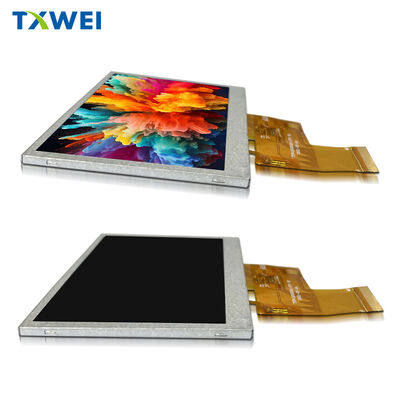
The TXW430047B0 delivers 1200 nits brightness in a compact 4.3-inch 16:9 format. Built for outdoor devices, electric vehicle dashboards, and extreme environments where ordinary consumer screens simply give up and fail.
~
▎▎Medium
◈ Brightness That Beats the Sun
1200 nits. Not 500. Not 800. Twelve hundred.
Direct sunlight. Harsh glare. Reflections off glass and metal. Cut through them all.
◦ Outdoor kiosks that face south. ◦ Motorcycle dashboards at high noon. ◦ Field equipment under open sky.
Compact for the brightness class. 2.9 millimeters thin. Fits slender enclosures. Leaves room for thermal management. Allows design flexibility in tight spaces.
◇ The Backlight System
16-LED array. Engineered for efficiency and longevity.
28 to 30 volt drive architecture. 40 milliampere operating current.
◦ 50,000 hours to half brightness at rated current. ◦ PWM dimming support built-in. ◦ Adapt to ambient light conditions. ◦ Extend service life through intelligent drive. ◦ Reduce power draw during night operation.
The light engine matches the display mission. Bright when needed. Efficient when possible. Reliable always.
◇ Environmental Hardiness
Operating temperature spans sixty degrees Celsius. From thirty below freezing to eighty above boiling water.
◦ Cold-start reliability for arctic logistics. ◦ Continuous stability for desert deployments. ◦ Thermal shock survival for equipment moved between environments.
Storage tolerance extends even wider. Negative thirty through positive eighty-five degrees. Shipping containers crossing climates. Warehouse storage without climate control. Seasonal inventory. Arrives working. Stays working.
Normally black display mode. Dark backgrounds by default.
◦ Power saved for battery-operated devices. ◦ Perceived contrast improved in variable lighting. ◦ Eye strain reduced for operators in low-light conditions.
Essential for dashboard applications. Critical for cockpit and control room environments.
◇ Manufacturing Confidence
Designed and manufactured by TXW Display. Shenzhen headquarters.
◦ In-house engineering team. ◦ Direct production line control. ◦ Vertical integration from design to shipment.
Not a trading company. Not a broker adding markup without value. Direct manufacturer relationship.
99.7% outgoing quality rate. Measured. Sustained. Not a peak. A standard.
◦ Incoming material inspection. ◦ In-process optical testing. ◦ Final functional verification. ◦ Traceability records for every unit.
Technical support that understands MIPI timing parameters. Thermal management strategies. Mechanical integration challenges. After-sales service that resolves issues. Not deflects. Not delays.
◇ Application Landscapes
◊ Outdoor High-Brightness Equipment
Digital signage facing streets and parking lots. Payment terminals under open sky. Ticket vending machines at transit stations. Public information displays in plazas and squares.
1200 nits ensures readability under direct sun. Wide temperature handling manages seasonal swings from summer heat to winter freeze. Industrial reliability architecture reduces service calls and truck rolls. Your installation stays visible. Stays operational. Stays out of the maintenance queue.
~
◊ Electric Vehicle Dashboards
Motorcycles. Scooters. Light electric vehicles. Micro-mobility fleet management.
Compact 4.3-inch format fits handlebar instrument clusters and dashboard cutouts. Sunlight readability essential for daytime riding safety. Wide viewing angle accommodates rider positioning and helmet angles. Cold-start reliability for winter morning commutes. Vibration resistance for road shock.
The display matches the vehicle mission. Urban mobility. Rural transport. Fleet efficiency. Rider safety.
~
◊ Industrial and Medical Control
Factory floor HMI panels. Portable test and measurement equipment. Medical devices deployed in non-climate-controlled environments.
-30°C startup capability for cold chain logistics monitoring. +80°C continuous operation for sterilization equipment zones and heat-intensive processes. Touch-ready surface compatibility for gloved operation. Long-term availability for product lifecycle planning.
Equipment that moves. Equipment that stays. Equipment that must work first time, every time.
~
◊ Freezing and Refrigeration Monitoring
Cold storage facilities. Blast freezers. Refrigerated transport trucks and containers. Temperature-sensitive supply chain nodes.
The display works where operators wear insulated gloves. Where breath condenses on surfaces. Where consumer screens ice over and fail. Specified for the environment it monitors. Not adapted. Not compromised. Purpose-built.
~
◊ Access Control and Security
Outdoor entry panels at commercial and residential buildings. Gate operators for parking and facilities. Perimeter security stations. Visitor management systems.
24/7 visibility requirement. All-weather reliability. Vandal-resistant mounting compatibility. Wide temperature for unconditioned installation locations. Sunlight readability for daytime access. Nighttime dimming for light pollution control.
Security that depends on the interface. Interface that depends on the display.
The TXW430047B0 delivers 1200 nits brightness in a compact 4.3-inch 16:9 format. Built for outdoor devices, electric vehicle dashboards, and extreme environments where ordinary consumer screens simply give up and fail.
~
▎▎Medium
◈ Brightness That Beats the Sun
1200 nits. Not 500. Not 800. Twelve hundred.
Direct sunlight. Harsh glare. Reflections off glass and metal. Cut through them all.
◦ Outdoor kiosks that face south. ◦ Motorcycle dashboards at high noon. ◦ Field equipment under open sky.
Compact for the brightness class. 2.9 millimeters thin. Fits slender enclosures. Leaves room for thermal management. Allows design flexibility in tight spaces.
◇ The Backlight System
16-LED array. Engineered for efficiency and longevity.
28 to 30 volt drive architecture. 40 milliampere operating current.
◦ 50,000 hours to half brightness at rated current. ◦ PWM dimming support built-in. ◦ Adapt to ambient light conditions. ◦ Extend service life through intelligent drive. ◦ Reduce power draw during night operation.
The light engine matches the display mission. Bright when needed. Efficient when possible. Reliable always.
◇ Environmental Hardiness
Operating temperature spans sixty degrees Celsius. From thirty below freezing to eighty above boiling water.
◦ Cold-start reliability for arctic logistics. ◦ Continuous stability for desert deployments. ◦ Thermal shock survival for equipment moved between environments.
Storage tolerance extends even wider. Negative thirty through positive eighty-five degrees. Shipping containers crossing climates. Warehouse storage without climate control. Seasonal inventory. Arrives working. Stays working.
Normally black display mode. Dark backgrounds by default.
◦ Power saved for battery-operated devices. ◦ Perceived contrast improved in variable lighting. ◦ Eye strain reduced for operators in low-light conditions.
Essential for dashboard applications. Critical for cockpit and control room environments.
◇ Manufacturing Confidence
Designed and manufactured by TXW Display. Shenzhen headquarters.
◦ In-house engineering team. ◦ Direct production line control. ◦ Vertical integration from design to shipment.
Not a trading company. Not a broker adding markup without value. Direct manufacturer relationship.
99.7% outgoing quality rate. Measured. Sustained. Not a peak. A standard.
◦ Incoming material inspection. ◦ In-process optical testing. ◦ Final functional verification. ◦ Traceability records for every unit.
Technical support that understands MIPI timing parameters. Thermal management strategies. Mechanical integration challenges. After-sales service that resolves issues. Not deflects. Not delays.
◇ Application Landscapes
◊ Outdoor High-Brightness Equipment
Digital signage facing streets and parking lots. Payment terminals under open sky. Ticket vending machines at transit stations. Public information displays in plazas and squares.
1200 nits ensures readability under direct sun. Wide temperature handling manages seasonal swings from summer heat to winter freeze. Industrial reliability architecture reduces service calls and truck rolls. Your installation stays visible. Stays operational. Stays out of the maintenance queue.
~
◊ Electric Vehicle Dashboards
Motorcycles. Scooters. Light electric vehicles. Micro-mobility fleet management.
Compact 4.3-inch format fits handlebar instrument clusters and dashboard cutouts. Sunlight readability essential for daytime riding safety. Wide viewing angle accommodates rider positioning and helmet angles. Cold-start reliability for winter morning commutes. Vibration resistance for road shock.
The display matches the vehicle mission. Urban mobility. Rural transport. Fleet efficiency. Rider safety.
~
◊ Industrial and Medical Control
Factory floor HMI panels. Portable test and measurement equipment. Medical devices deployed in non-climate-controlled environments.
-30°C startup capability for cold chain logistics monitoring. +80°C continuous operation for sterilization equipment zones and heat-intensive processes. Touch-ready surface compatibility for gloved operation. Long-term availability for product lifecycle planning.
Equipment that moves. Equipment that stays. Equipment that must work first time, every time.
~
◊ Freezing and Refrigeration Monitoring
Cold storage facilities. Blast freezers. Refrigerated transport trucks and containers. Temperature-sensitive supply chain nodes.
The display works where operators wear insulated gloves. Where breath condenses on surfaces. Where consumer screens ice over and fail. Specified for the environment it monitors. Not adapted. Not compromised. Purpose-built.
~
◊ Access Control and Security
Outdoor entry panels at commercial and residential buildings. Gate operators for parking and facilities. Perimeter security stations. Visitor management systems.
24/7 visibility requirement. All-weather reliability. Vandal-resistant mounting compatibility. Wide temperature for unconditioned installation locations. Sunlight readability for daytime access. Nighttime dimming for light pollution control.
Security that depends on the interface. Interface that depends on the display.